
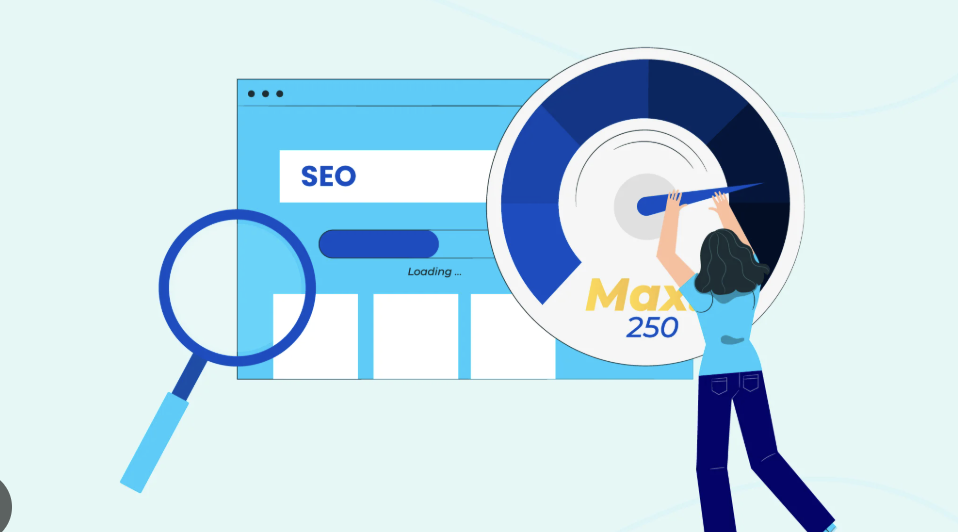
In today’s digital-first world, your website is often the first impression customers have of your business. No matter how great your design looks or how strong your messaging is, none of it matters if your site takes too long to load. Website speed plays a critical role in both search engine rankings and user experience, directly affecting how many visitors stay on your site, how many convert into leads or customers, and how Google evaluates your brand.
Why Website Speed Matters More Than Ever
Modern users expect fast results. Studies consistently show that most people will leave a website if it doesn’t load within just a few seconds. As attention spans shorten and competition increases, even a slight delay can push potential customers straight to a competitor’s site.
Google has also made it clear that website speed is a ranking factor. Faster sites tend to rank higher in search results because they provide a better experience for users. This means that slow loading times don’t just frustrate visitors—they actively hurt your visibility and traffic.
The Connection Between Website Speed and SEO
Search engines want to deliver the best possible results to their users, and that includes recommending websites that load quickly and function smoothly. When your site is slow, Google’s crawlers may struggle to index your pages efficiently. This can lead to fewer pages being indexed, lower rankings, and reduced organic traffic.
Google’s Core Web Vitals, which measure factors like load time, interactivity, and visual stability, are now part of its ranking algorithm. If your website performs poorly in these areas, your SEO efforts may never reach their full potential—no matter how good your content is.
How Slow Websites Hurt Conversions
Speed doesn’t just impact rankings—it directly affects your bottom line. When visitors encounter long load times, they’re far more likely to abandon your site before taking action. Whether your goal is phone calls, form submissions, purchases, or bookings, every extra second of loading time reduces your chances of converting that visitor.
Slow websites also create a negative perception of your brand. Users may assume that a sluggish site reflects poor service, outdated practices, or lack of professionalism. In competitive markets, that perception alone can cost you valuable leads.
Common Causes of Slow Website Performance
Many businesses don’t realize how easily small technical issues can add up to major performance problems. Large, uncompressed images are one of the most common culprits. While high-quality visuals are important, oversized files dramatically increase load times.
Other common causes include excessive plugins, outdated code, bloated themes, lack of browser caching, and slow hosting providers. In some cases, websites are built without performance optimization in mind, making them slow from the very start.
Simple Ways to Improve Website Speed
One of the easiest improvements is image optimization. Compressing images without sacrificing quality can significantly reduce page load times. Using modern image formats and responsive sizing also helps ensure fast performance across devices.
Minifying CSS, JavaScript, and HTML files removes unnecessary code that slows down your site. Enabling browser caching allows returning visitors to load your pages faster, and using a content delivery network can improve load speeds for users in different geographic locations.
Choosing a reliable hosting provider is another major factor. Cheap or overcrowded hosting plans often result in slow server response times that no amount of optimization can fully fix.
Mobile Speed Matters Even More
With the majority of web traffic now coming from mobile devices, optimizing for mobile speed is no longer optional. Mobile users are even less patient than desktop users, and slow mobile sites experience significantly higher bounce rates.
Google also prioritizes mobile-first indexing, meaning it evaluates your mobile site before your desktop site when determining rankings. If your mobile experience is slow or poorly optimized, your overall SEO performance will suffer.
Why Website Speed Is a Long-Term Investment
Improving your website speed isn’t just a technical upgrade—it’s a strategic business move. Faster websites rank higher, convert better, and provide a stronger user experience. Over time, these benefits compound into increased traffic, more leads, and higher revenue.
Businesses that invest in speed optimization gain a competitive advantage. While competitors struggle with outdated, sluggish sites, your brand stands out as fast, professional, and user-friendly.
Final Thoughts
Website speed is no longer a behind-the-scenes technical detail. It’s a core component of your digital marketing success. From SEO performance to customer trust and conversion rates, speed impacts nearly every aspect of your online presence.
If your website feels slow or underperforms in search results, it may be time for a performance audit and optimization strategy. A faster website doesn’t just look better—it works harder for your business every single day.