
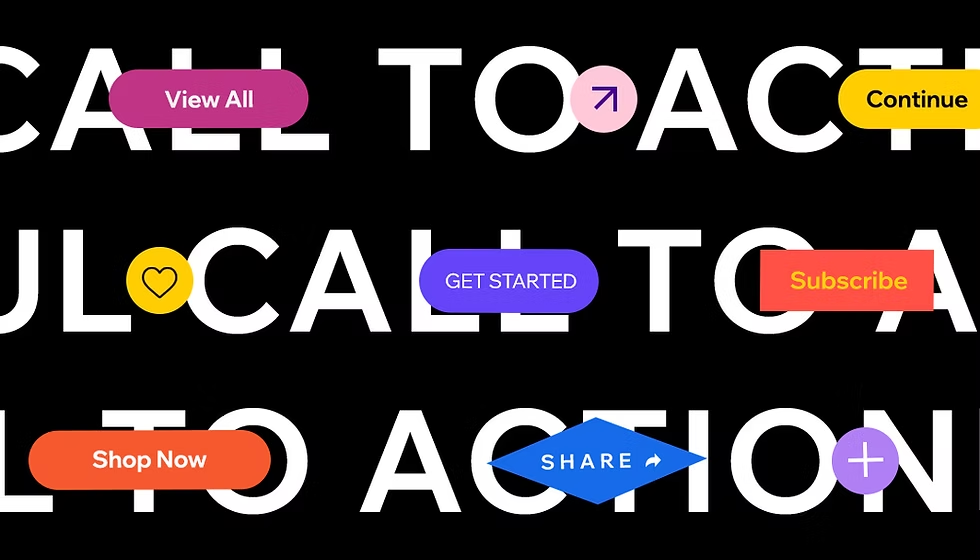
A website can look great, be packed with useful information, and even rank well on Google—but if visitors don’t know what to do next, you’re leaving opportunity on the table. That’s where Calls-to-Action (CTAs) come in. They guide users, encourage engagement, and turn passive browsing into real results.
What Is a Call-to-Action?
A Call-to-Action is simply a prompt that tells a visitor what step to take next. It could be something like “Contact Us Today,” “Get a Quote,” “Schedule a Consultation,” or “Shop Now.” These prompts can show up as buttons, links, banners, or even short text—but the purpose is always the same: lead the user to take action.
Why CTAs Are So Important
Without clear direction, most website visitors will simply leave. A strong CTA removes that uncertainty and shows them exactly what to do next.
CTAs also play a major role in turning traffic into results. Whether that means phone calls, form submissions, bookings, or sales, a well-placed CTA is often the final push that drives conversion.
From a user experience standpoint, CTAs also make a website easier to navigate. Instead of guessing where to go next, visitors are naturally guided through your content in a smooth, intentional way.
And on the business side, CTAs give you something measurable. You can track clicks, leads, and conversions to better understand what’s working and what needs improvement.
What Makes a Strong CTA
Effective CTAs are clear, direct, and action-focused. Strong verbs like “Get,” “Start,” “Book,” or “Download” help create momentum and make the next step obvious.
A little urgency can also go a long way. Phrases like “Today” or “Now” encourage faster decision-making without being pushy.
Design matters too. A CTA should stand out visually so it doesn’t get lost in the page. And just as important, each CTA should focus on one clear action rather than overwhelming the visitor with too many choices.
Placement is key as well. The best CTAs appear where users naturally pause—after key sections, at the end of pages, or where interest is highest.
Final Thoughts
A website without clear CTAs is like a conversation that never asks for the next step. People may read it, but they’re left without direction.
Strong, simple, and well-placed Calls-to-Action help guide visitors, improve engagement, and ultimately turn your website into a tool that actually drives business results.