In today’s digital-first world, your website is often the first interaction someone has with your business. It shapes perception, builds trust, and ultimately influences whether a visitor chooses to stay, explore, and take action. While many companies focus heavily on design and functionality, one critical factor is still too often overlooked—accessibility.
Website accessibility goes beyond checking a box for compliance. It directly impacts how users experience your brand, how search engines rank your site, and how effectively your business converts visitors into customers. When done right, accessibility becomes a powerful driver of growth rather than just a technical requirement.
What Website Accessibility Really Means
At its core, website accessibility is about making sure your site can be used by everyone, regardless of ability. This includes individuals with visual, auditory, motor, or cognitive challenges, but it also extends to everyday users navigating your site under less-than-ideal conditions.
Accessibility can be as simple as ensuring text is readable, navigation is clear, and images include descriptive alternatives. It also involves building a structure that allows assistive technologies, like screen readers, to interpret and present your content correctly.
While guidelines like the Americans with Disabilities Act (ADA) and WCAG standards provide a framework, true accessibility is about creating a seamless experience for every visitor—not just meeting minimum requirements.
Why Accessibility Improves User Experience for Everyone
One of the biggest misconceptions about accessibility is that it only benefits a small group of users. In reality, it enhances usability across the board.
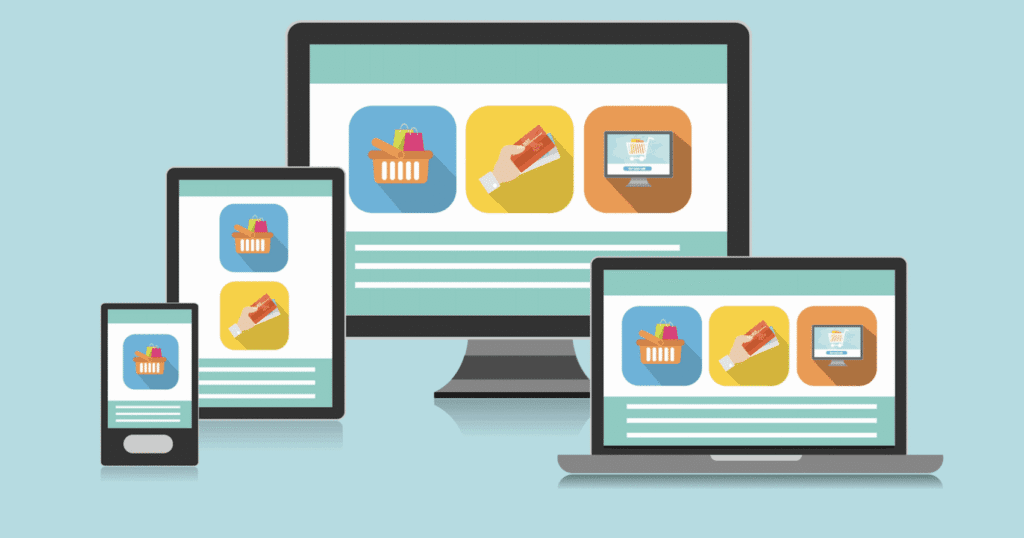
Clear navigation, well-structured content, and readable typography make it easier for all visitors to find what they’re looking for. Whether someone is browsing on a mobile device, dealing with poor lighting, or simply scanning quickly, accessible design reduces friction and improves the overall experience.
When users don’t have to struggle to understand or navigate your site, they stay longer, engage more, and are far more likely to take action. Accessibility, in this sense, becomes a direct contributor to better performance metrics.
The Overlooked SEO Advantage
There’s a strong connection between accessibility and search engine optimization that many businesses miss. Search engines are designed to understand and organize content in a way that mirrors how users experience it.
When your site includes proper heading structures, descriptive alt text for images, and clear content hierarchy, it becomes easier for search engines to crawl and index your pages. These same elements that improve accessibility also strengthen your SEO foundation.
As a result, accessible websites often perform better in search rankings, reach a wider audience, and attract more organic traffic. It’s not a separate strategy—it’s an aligned one.
Turning Better Experiences into More Conversions
User experience and conversions are closely tied, and accessibility plays a key role in both. When visitors encounter a site that is easy to navigate and understand, they are more likely to trust the brand behind it.
That trust translates into action. Whether it’s making a purchase, submitting a form, or picking up the phone, a smooth and inclusive experience removes barriers that might otherwise prevent someone from converting.
On the other hand, even small frustrations—like unreadable text, confusing layouts, or inaccessible features—can cause users to leave before they ever take the next step. Accessibility helps eliminate those friction points, creating a path that leads naturally toward engagement and results.
Simple Changes That Make a Big Impact
Improving accessibility doesn’t always require a complete redesign. In many cases, small adjustments can lead to significant improvements in usability and performance.
Adding alternative text to images allows visually impaired users to understand visual content while also giving search engines more context. Structuring pages with clear headings improves readability and helps users quickly scan for information. Ensuring proper color contrast and font sizing makes content easier to consume across devices and environments.
Features like keyboard navigation and video captions further expand usability, making your site more inclusive while also improving engagement for a broader audience. These changes may seem minor individually, but together they create a noticeably better experience.
Accessibility as a Competitive Edge
Businesses that prioritize accessibility aren’t just meeting expectations—they’re setting themselves apart. An inclusive website signals that your brand values every user, which can strengthen reputation and build long-term loyalty.
At the same time, accessible websites often see lower bounce rates, higher engagement, and improved conversion performance. They reach users that competitors may be unintentionally excluding, opening the door to new opportunities and markets.
In a crowded digital landscape, those advantages matter. Accessibility becomes more than a technical improvement—it becomes a strategic one.
Building for the Future
As technology evolves and user expectations continue to rise, accessibility will only become more important. Businesses that invest in it now are better positioned to adapt, grow, and stay competitive over time.
Creating an accessible website isn’t a one-time task—it’s an ongoing commitment to better design, smarter development, and a more user-focused approach. It ensures that your digital presence remains effective, inclusive, and aligned with how people actually interact online.
A Smarter Approach to Digital Growth
At Webn8, we believe your website should do more than look good—it should work for everyone. Accessibility is a key part of that equation, helping businesses create experiences that are not only visually appealing but also functional, inclusive, and results-driven.
When your website is built with accessibility in mind, you’re not just improving usability—you’re strengthening your brand, expanding your reach, and setting the foundation for long-term growth.
Because when every user can engage with your site, every part of your business performs better.